

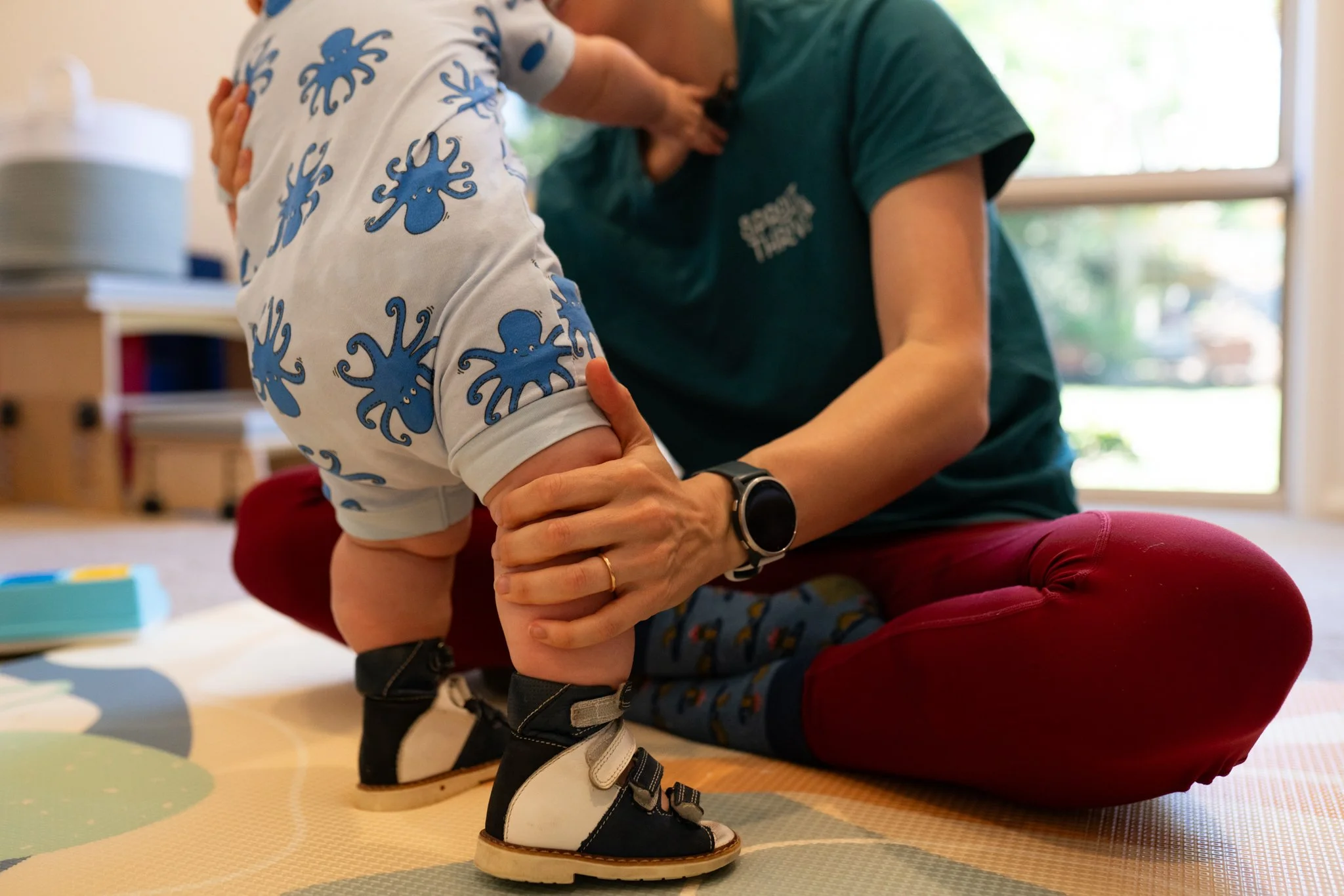

We’re Physio’s for Kids with Complex Bodies
We deliver evidence-based physiotherapy intensives Australia wide!
Spaces in our intensives do fill fast so please reach out to book in your preferred dates well ahead of time.
Treating kids with complex bodies
𓃰
Family focused
𓃱
Capacity first
𓃰
Treating kids with complex bodies 𓃰 Family focused 𓃱 Capacity first 𓃰
THE SPROUT & THRIVE APPROACH
We do physio a little differently
We work in intensive physiotherapy blocks. The evidence shows that intensive blocks of therapy can support meaningful progress for many children with complex bodies.
Rather than spreading therapy across long periods of time, intensives allow for focused input, repetition, and consistency, while also reducing the ongoing logistical burden for families.
This approach is not about doing more. It is about delivering therapy intentionally, in a way that aligns with each child’s needs and capacity.
-
The following references are provided for general information only. Evidence related to therapy intensity varies and outcomes depend on individual assessment, clinical reasoning, and each child’s unique needs and circumstances.
Hsu CW, Kang YN, Tseng SH. Effects of Therapeutic Exercise Intensity on Cerebral Palsy Outcomes: A Systematic Review With Meta-Regression of Randomized Clinical Trials. Front Neurol. 2019 Jun 21;10:657. doi: 10.3389/fneur.2019.00657. PMID: 31293501; PMCID: PMC6598595.
van Tittelboom V, Heyrman L, De Cat J, Algoet P, Peeters N, Alemdaroğlu-Gürbüz I, Plasschaert F, Van Herpe K, Molenaers G, De Bruyn N, Deschepper E, Desloovere K, Calders P, Feys H, Van den Broeck C. Intensive Therapy of the Lower Limbs and the Trunk in Children with Bilateral Spastic Cerebral Palsy: Comparing a Qualitative Functional and a Functional Approach. J Clin Med. 2023 Jun 15;12(12):4078. doi: 10.3390/jcm12124078. PMID: 37373771; PMCID: PMC10299290.
Rahlin M, Duncan B, Howe CL, Pottinger HL. How does the intensity of physical therapy affect the Gross Motor Function Measure (GMFM-66) total score in children with cerebral palsy? A systematic review protocol. BMJ Open. 2020 Jul 19;10(7):e036630. doi: 10.1136/bmjopen-2019-036630. PMID: 32690525; PMCID: PMC7371020.
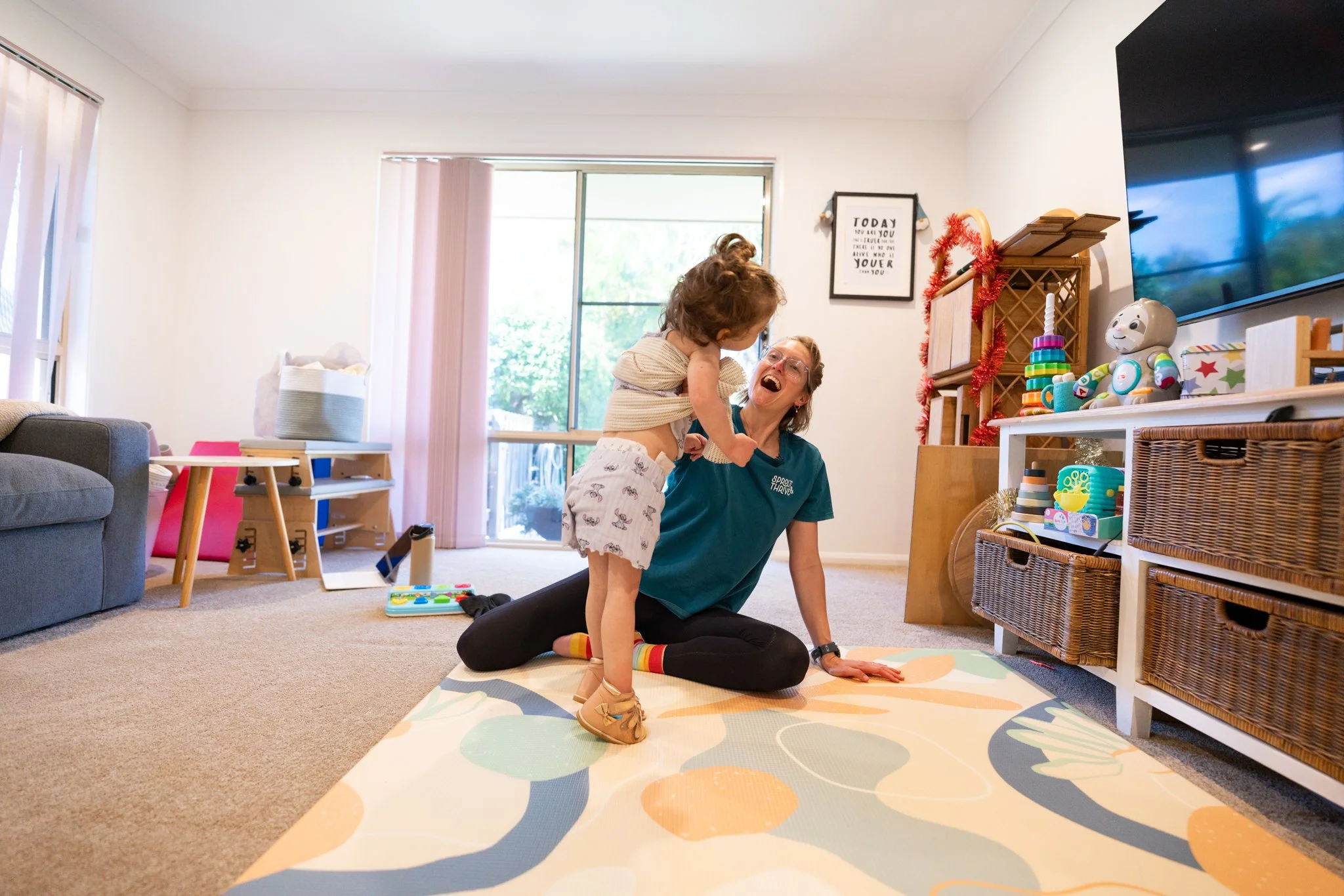
Evidence-based physiotherapy
𓃰
Child centred
𓃱
Evidence-based physiotherapy 𓃰 Child centred 𓃱
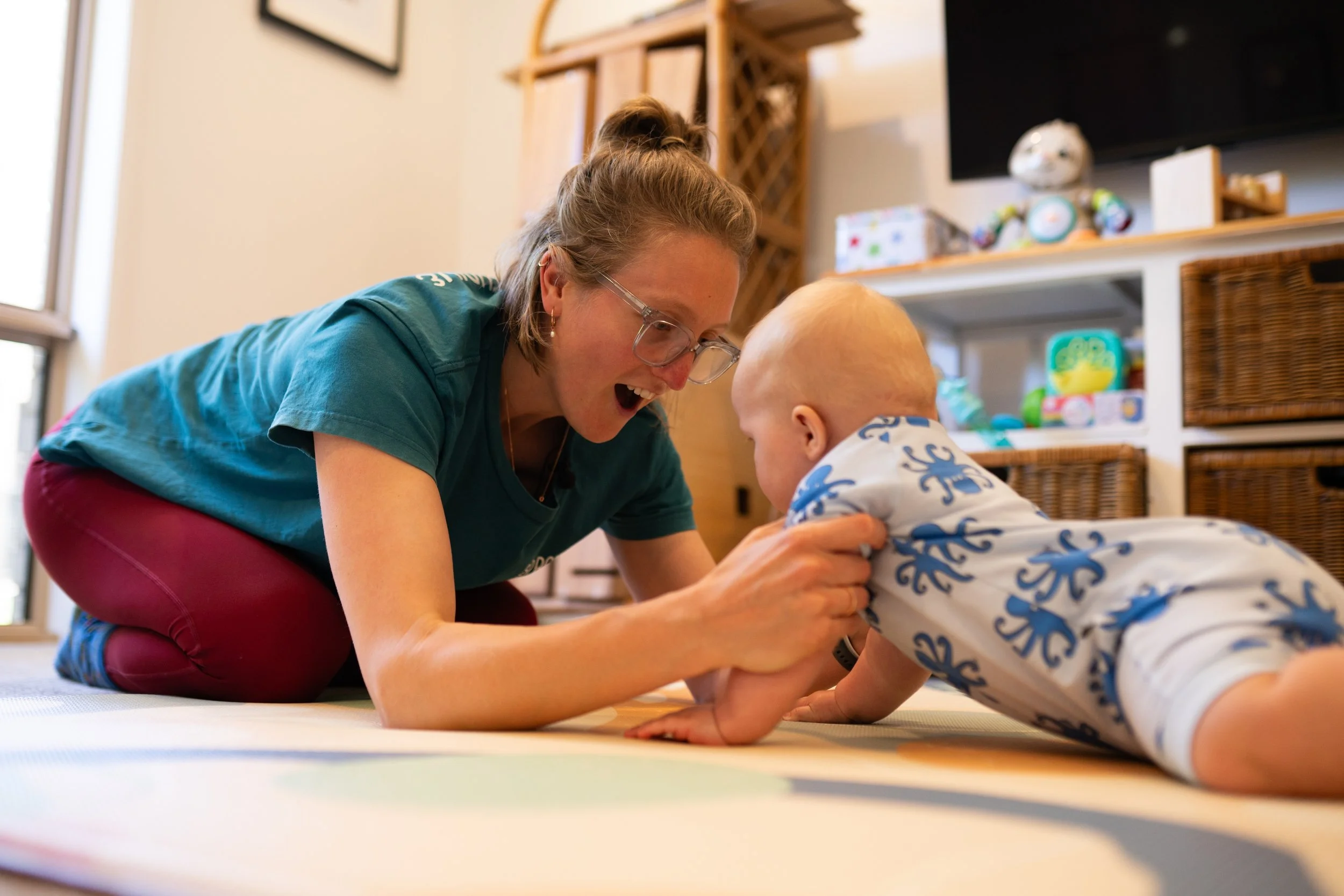
EVIDENCE-BASED PHYSIOTHERAPY
What is a physiotherapy intensive?
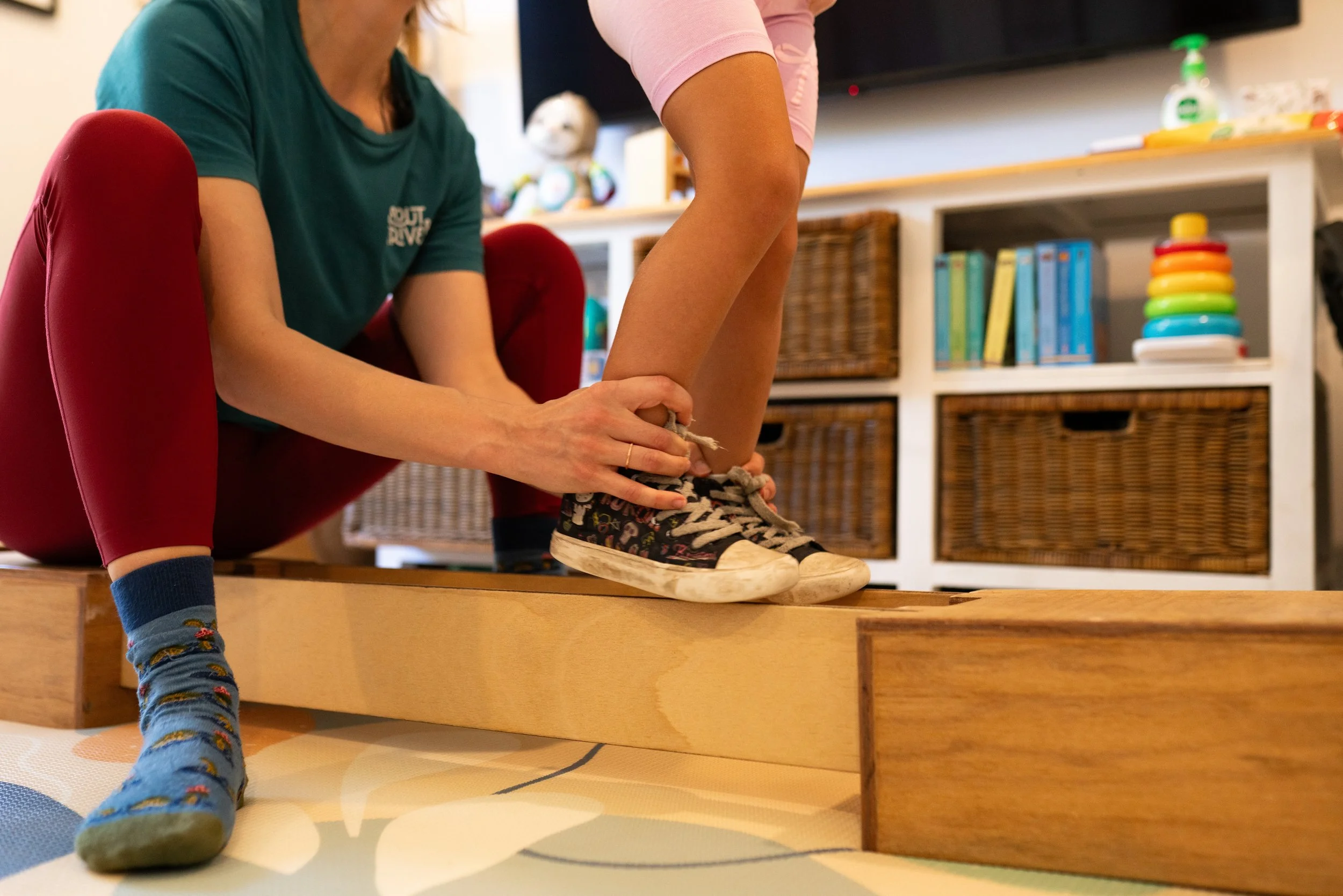
An intensive physiotherapy block involves more sessions delivered over a shorter, focused period of time, rather than ongoing weekly appointments. Intensives typically involve one to two hour sessions delivered Monday to Friday across one to three weeks every 3 to 4 months, depending on the child’s needs, tolerance, and suitability. This model allows therapy to build from day to day with continuity and repetition, while still being planned within the scope of paediatric physiotherapy practice.
-
For many children with complex bodies, progress does not come from doing a little bit of therapy over a very long time. It comes from focused input, repetition, and continuity.
The intensive model allows therapy to build day to day, rather than starting from scratch each week. Sessions take place over an intensive block of phhysiotherapy (generally 3 weeks). This concentrated therapy format creates space for learning, exploration, and practice in a way that is often difficult to achieve in shorter, spaced sessions.
This approach is evidence informed and commonly used within neurological and paediatric rehabilitation settings.
-
An intensive block involves longer physiotherapy sessions delivered over a shorter period of time, typically across one to three weeks, 4 times per year.
Sessions are planned thoughtfully and adjusted in real time based on your child’s capacity, regulation, and engagement on the day. There is no fixed formula. The structure is shaped around the child in front of us.
For families new to intensives, blocks can be shorter and built up gradually.
-
Intensive therapy is not about doing more forever.
Blocks are intentionally spaced to allow time for consolidation and everyday life. Between intensives, families are supported with optional guidance that fits realistically into daily routines.
This model is designed to work alongside your child’s existing supports, not replace them.
-
For many families, intensive physiotherapy can be accessed through NDIS funding in the same way as weekly therapy, depending on individual circumstances and plan goals.
Support with planning and understanding how this may apply to your child is always available. Book in a short call here and we can talk though your options.
Treating kids with complex bodies
𓃰
Using the CME Therapy Technique
𓃱
Treating kids with complex bodies 𓃰 Using the CME Therapy Technique 𓃱
Frequently Asked Questions
-
Not every child is suited to the same therapy model.
Intensive physiotherapy may be appropriate for some children depending on their needs, capacity, and overall care plan. Suitability is determined through professional assessment and discussion with families. -
Intensive sessions are typically longer than standard weekly appointments and may run for one to two hours.
Session length and scheduling are planned with the child’s tolerance, regulation, and individual needs in mind. -
Intensive blocks are offered at set times throughout the year.
Availability varies depending on capacity and scheduling, and families are encouraged to register interest to stay informed about upcoming blocks. -
No. Sprout and Thrive currently works through intensive therapy blocks rather than ongoing weekly sessions. Families can choose to participate in an intensive block without committing to ongoing services.
-
For many families, intensive physiotherapy can be funded through NDIS plans in the same way as weekly physiotherapy, depending on individual circumstances and plan goals. Support with understanding funding options and documentation can be discussed as needed. Book in a quick phone chat with me here.
-
Between intensives, families are given guidance that supports everyday practice in a way that is realistic and manageable. Time between blocks is intentionally used for consolidation and participation in daily life, alongside other supports where relevant.
-
Yes. Sprout and Thrive aims to work collaboratively with families and other members of the child’s care team where appropriate, to support consistency and shared understanding.
-
You can register your interest via the form on this website. Registering interest does not guarantee availability or suitability for services and does not establish a therapeutic relationship.
Evidence-based physiotherapy
𓃰
Child centred
𓃱
Evidence-based physiotherapy 𓃰 Child centred 𓃱
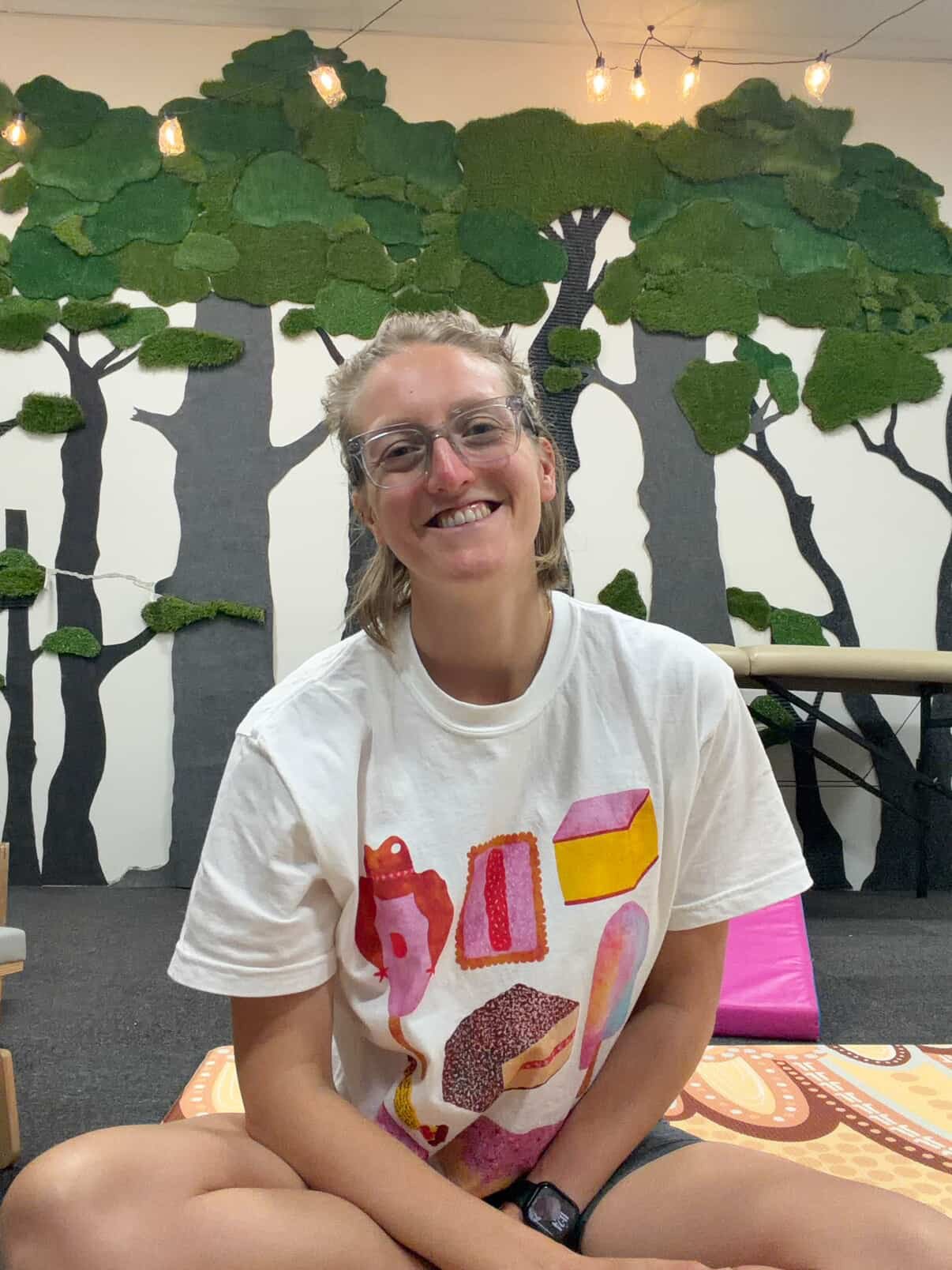
MEET YOUR PHYSIOTHERAPIST
Nice to meet you, I’m Georgia
I am a physiotherapist with a focus on working with children who have complex bodies and diverse developmental needs.
My work is shaped by extensive training in intensive physiotherapy approaches, including the CME method, and by ongoing collaboration with families who know their children best.
I care deeply about children’s rights, dignity, and access to therapy that honours who they are, not just what they need support with.
Sprout and Thrive exists to offer care that feels considered, respectful, and genuinely supportive of families over time.
ACCREDITATION & REGISTRATIONS


Join our next physiotherapy intensive
Please reach out to book in your preferred dates as spaces can fill fast.